Why Access to Spay and Neuter Still Matters
By Dr. Christina Avila
Spay and neuter has been central to my work throughout my career—from veterinary medicine, to sheltering, to field services. While the framing has shifted over time—from cancer prevention to population control—the underlying purpose has remained the same: prevention.
What has changed is access.
In the field, particularly while working in one of California’s most populous counties, the majority of animals I encountered were intact, most often male dogs. These were not isolated incidents, nor were they typically driven by indifference. More often, they reflected gaps in affordability, availability, and follow-through.
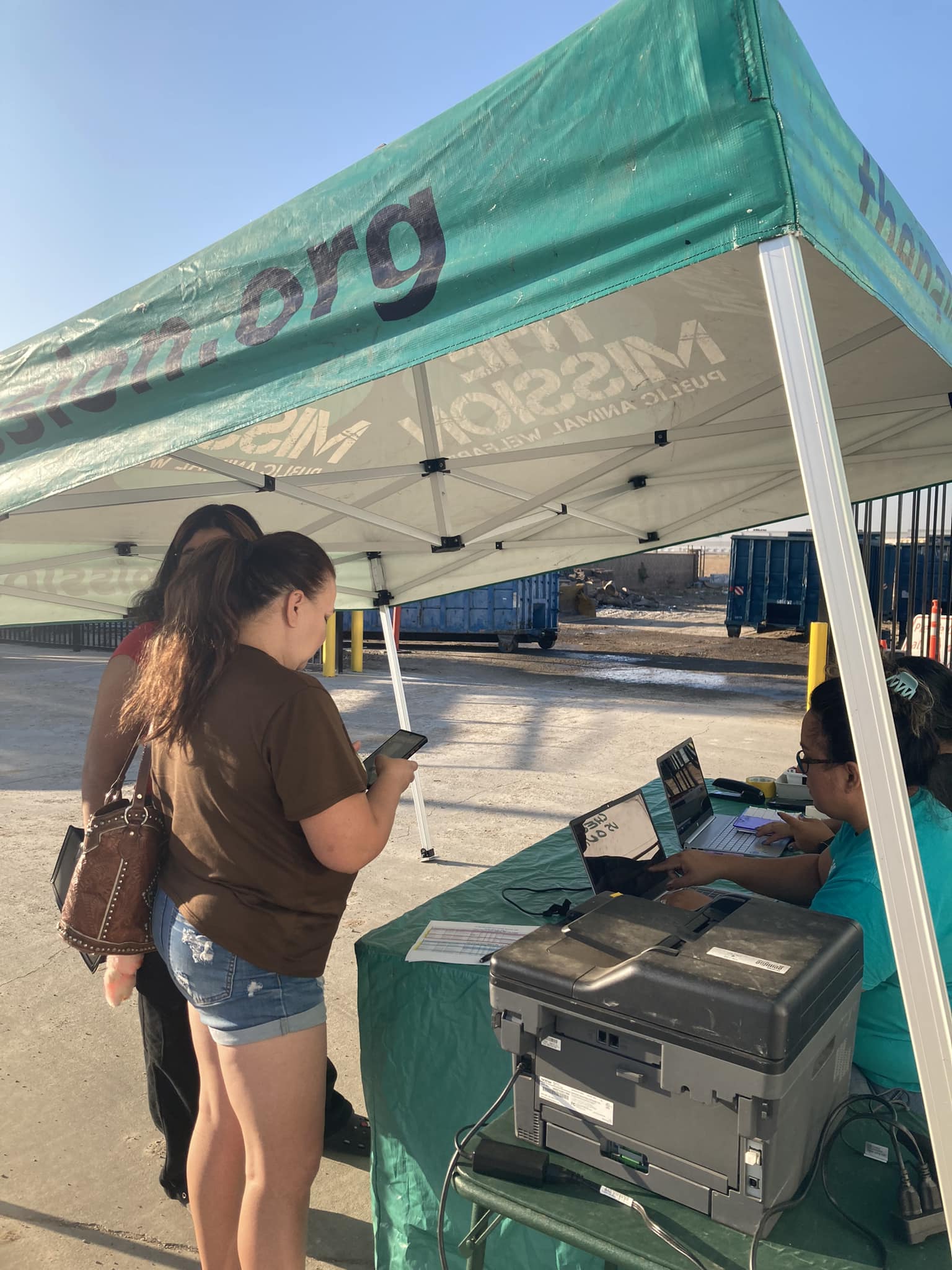
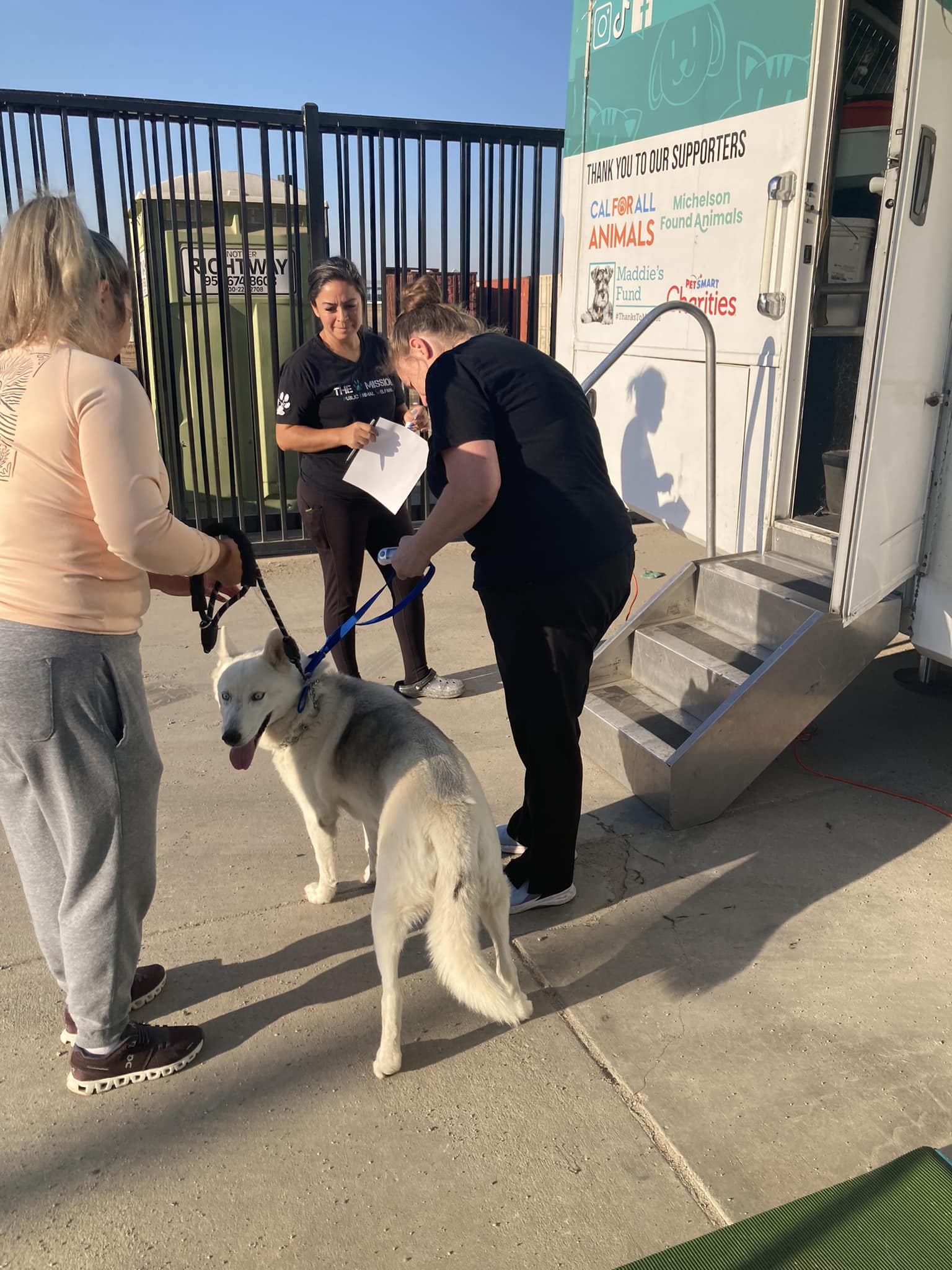
When I later transitioned to a smaller city within Riverside County, we had the opportunity to address those gaps directly. With grant support and strong partners, we shifted from passive outreach to active engagement—offering free spay and neuter clinics, maintaining waitlists, confirming appointments, and removing deposits as a barrier to participation.
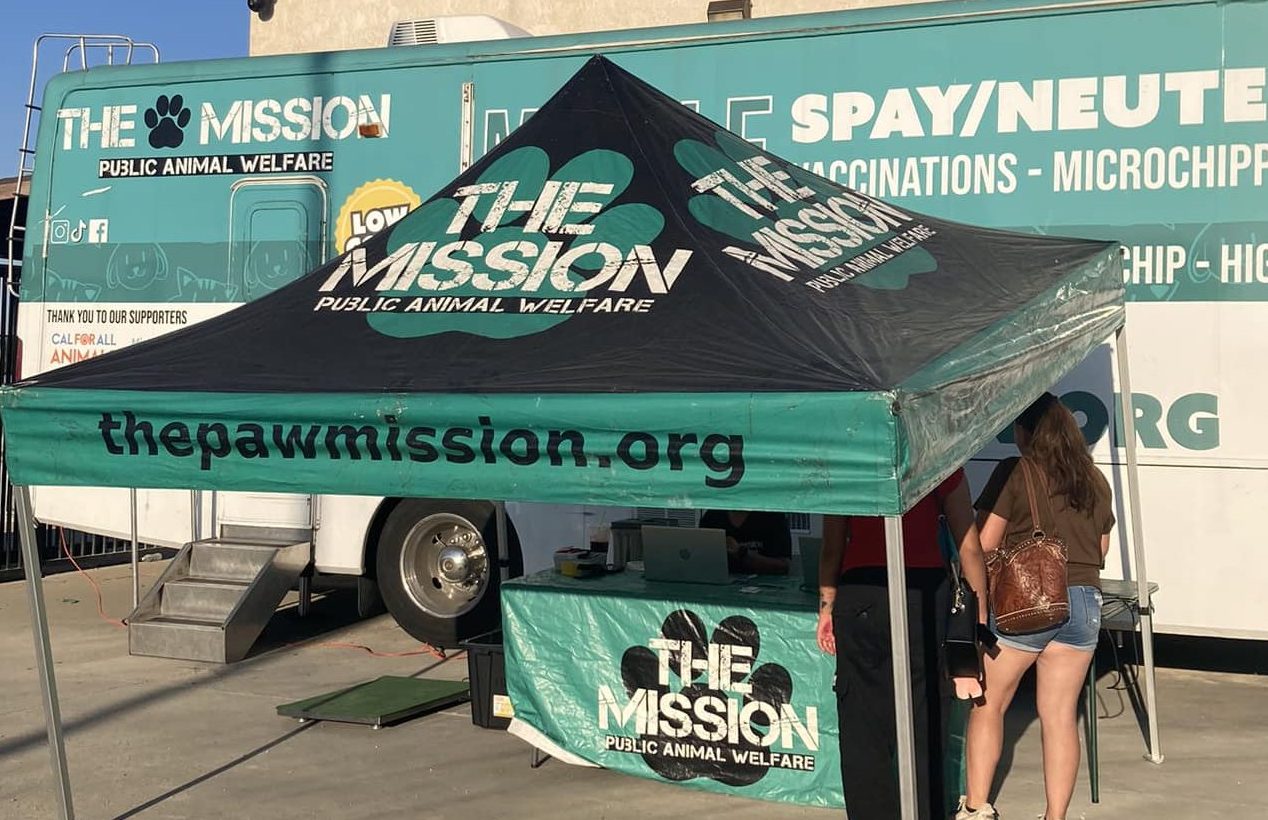
We currently operate one to two clinics per month, averaging 35 surgeries per clinic, using both county and nonprofit mobile units. The operational lesson has been clear: clinics succeed not simply because they exist, but because they are reliable, supported, and built on trust.
For those of us working in animal control and sheltering, spay and neuter remains one of the most effective prevention tools available—but only when access is intentional. Programs that prioritize engagement, consistency, and follow-through produce better outcomes for animals, staff, and the communities we serve.
Spay and neuter programs are most effective when designed as service delivery systems—not simply outreach efforts
What Made This Program Work
- Access Over Awareness
Information alone is not enough. Moving beyond posting links to directly offering and managing services increased participation and follow-through. - Remove Financial Barriers
Eliminating deposits reduced no-shows driven by fear of lost funds, while active waitlists ensured appointments were still fully utilized. - Consistent Follow-Up
Maintaining contact with participants through the day before surgery improved reliability and reinforced trust in the program. - Flexible Partnerships
Working with both county and nonprofit mobile units allowed scheduling adaptability and program continuity. - Operational Discipline
Clear intake limits, waitlists, and confirmation protocols ensured each clinic operated at capacity with minimal waste.
Dr. Christina Avila is an experienced animal care and control leader with more than 22 years of combined service in veterinary technology and animal control. She holds a Doctorate in Business Administration and currently oversees a municipal animal control department serving a community of 80,000, where she leads officers and staff in delivering effective, community-centered programs. Dr. Avila has been instrumental in implementing return-to-home focused sheltering, community cat initiatives, spay/neuter programs, and free microchipping services that strengthen reunification and prevention efforts. She is passionate about advancing best practices, building partnerships, and sharing innovative solutions that improve outcomes for both animals and the communities they serve.