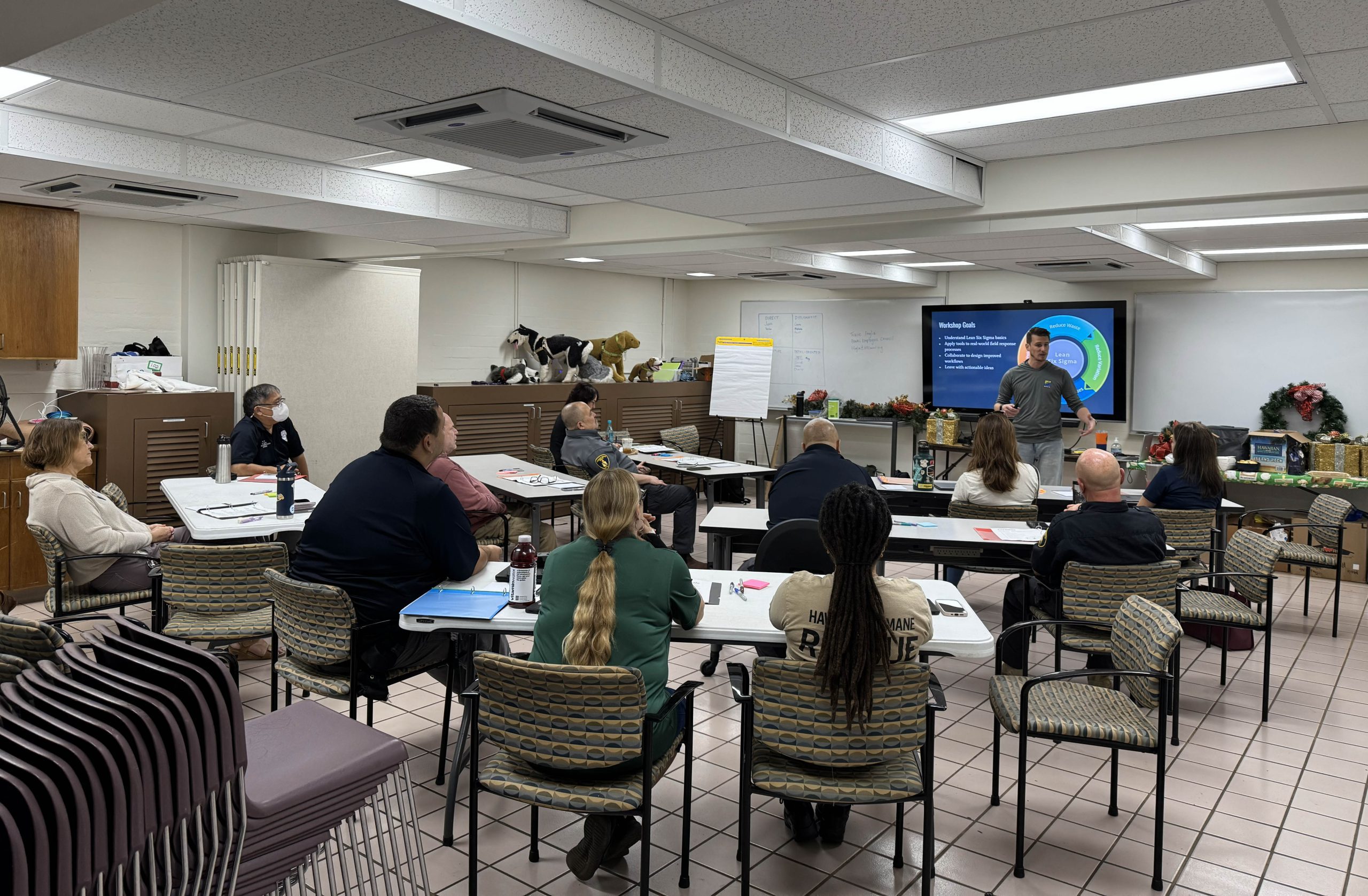
Field Forward is not a checklist, an audit, or a one-size-fits-all model. It is a partnership-driven approach rooted in Lean Six Sigma principles, national best practices, and real-world field realities. It focuses on helping agencies step back, examine how their systems truly operate, and identify opportunities to increase effectiveness, consistency, safety, and positive outcomes for animals, staff, and the communities they serve.
Our time with Hawaiian Humane was exactly what Field Forward was designed to be: collaborative, honest, and deeply grounded in frontline experience.
Stepping Into the Field
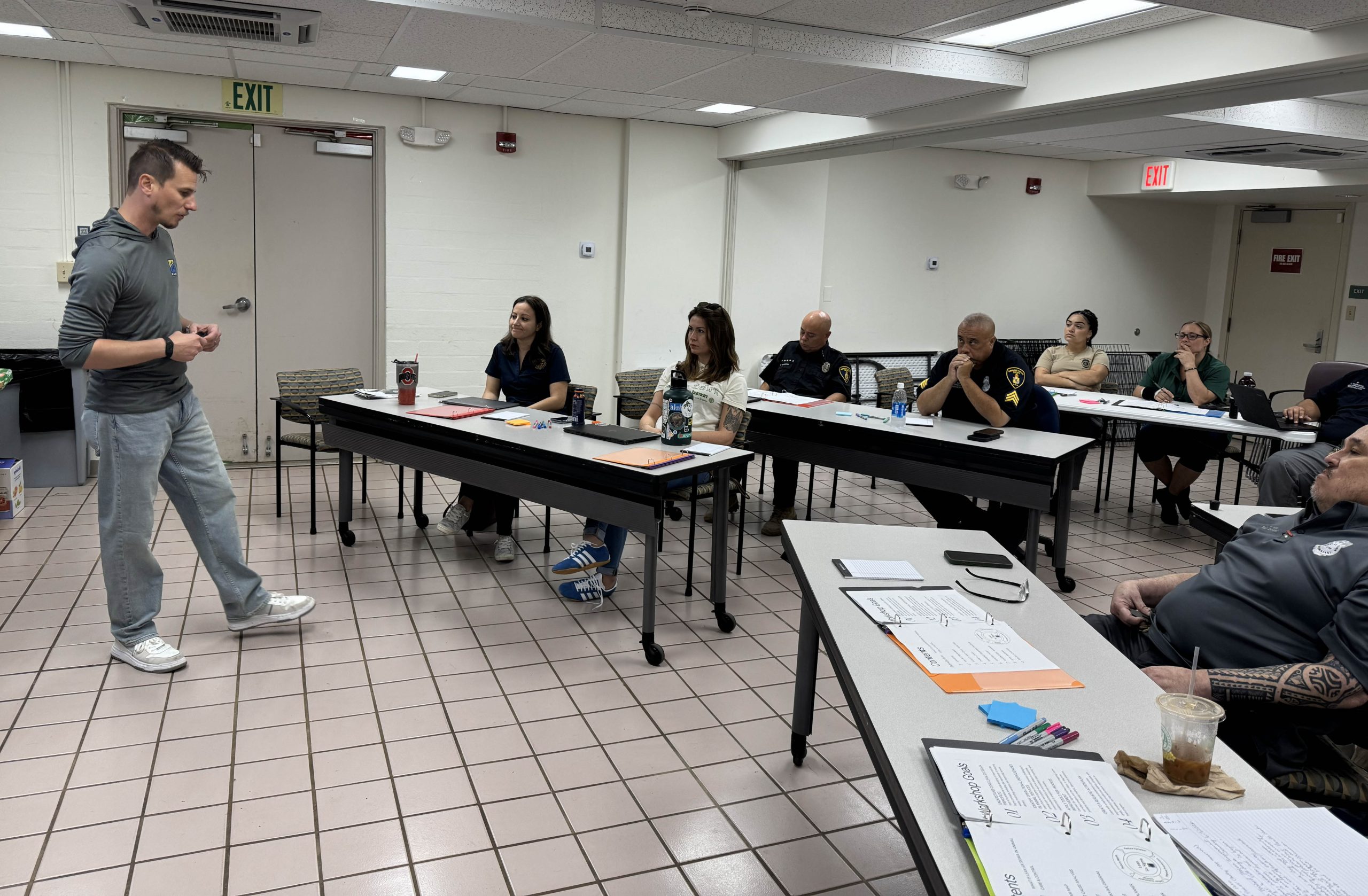
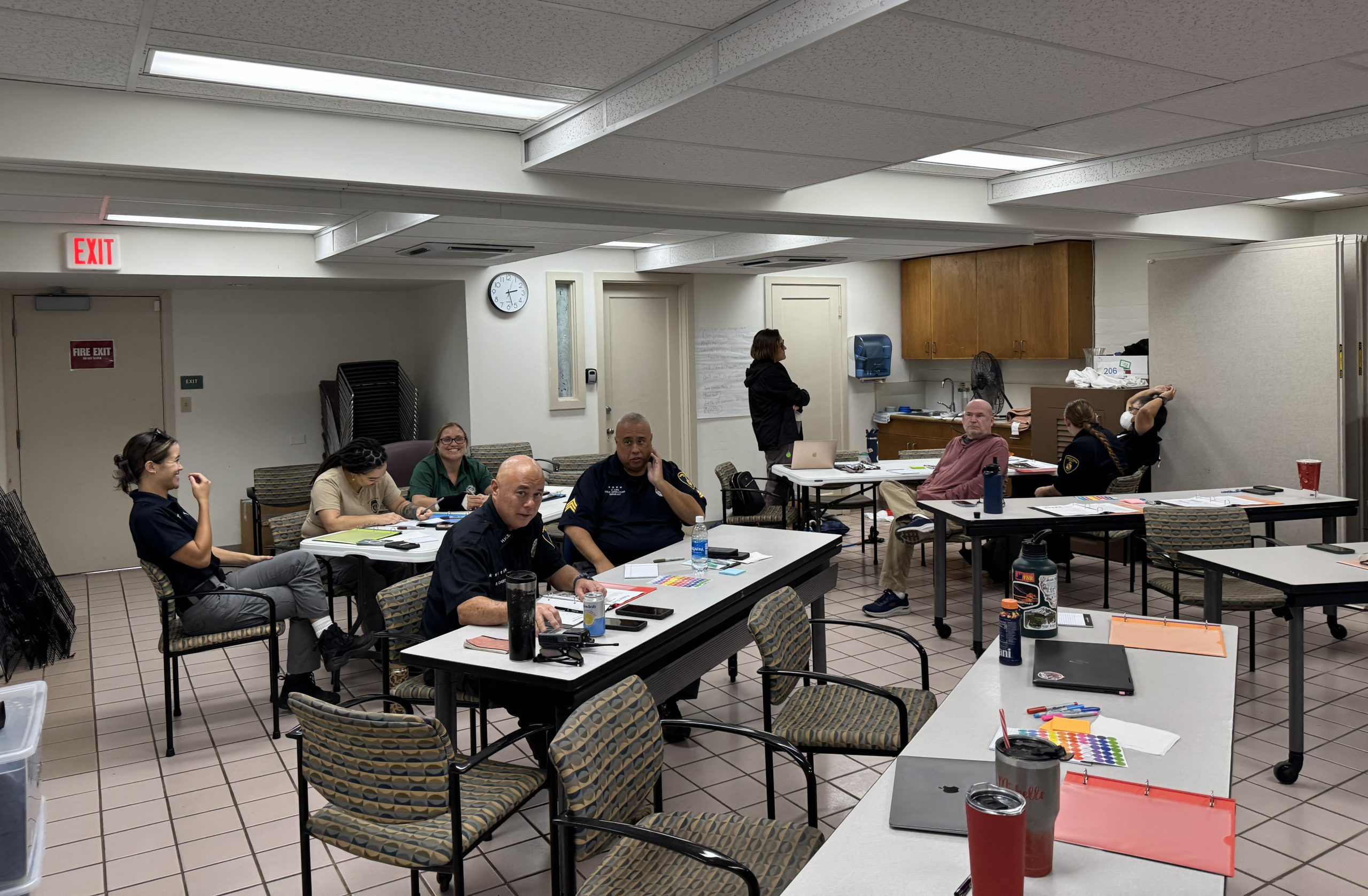
Over the course of several days, the NACA team worked closely with Hawaiian Humane leadership and field services staff through:
- Ride-alongs with officers in the community
- Observations of daily operations and workflows
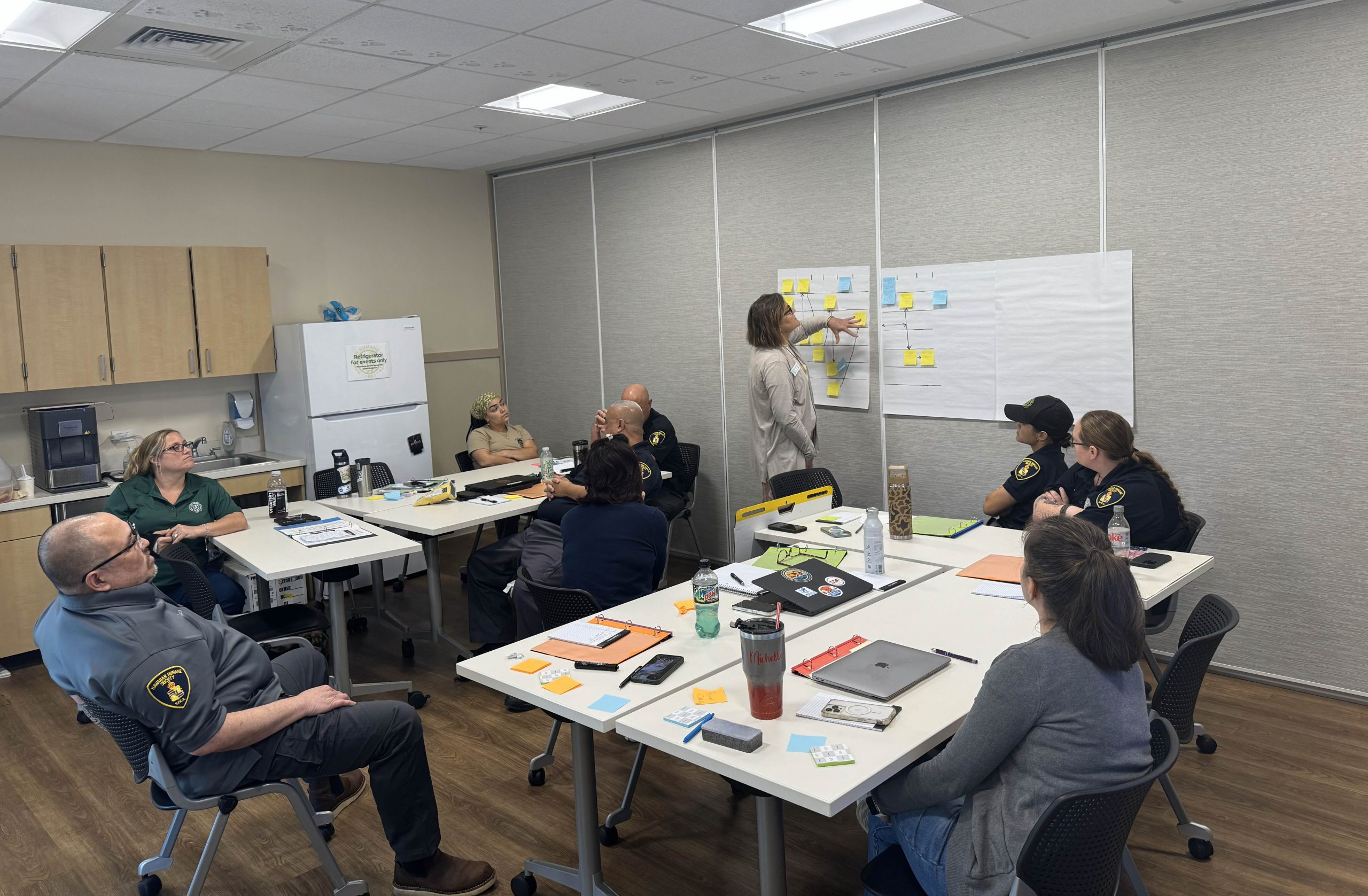
- Process mapping of key response and enforcement functions
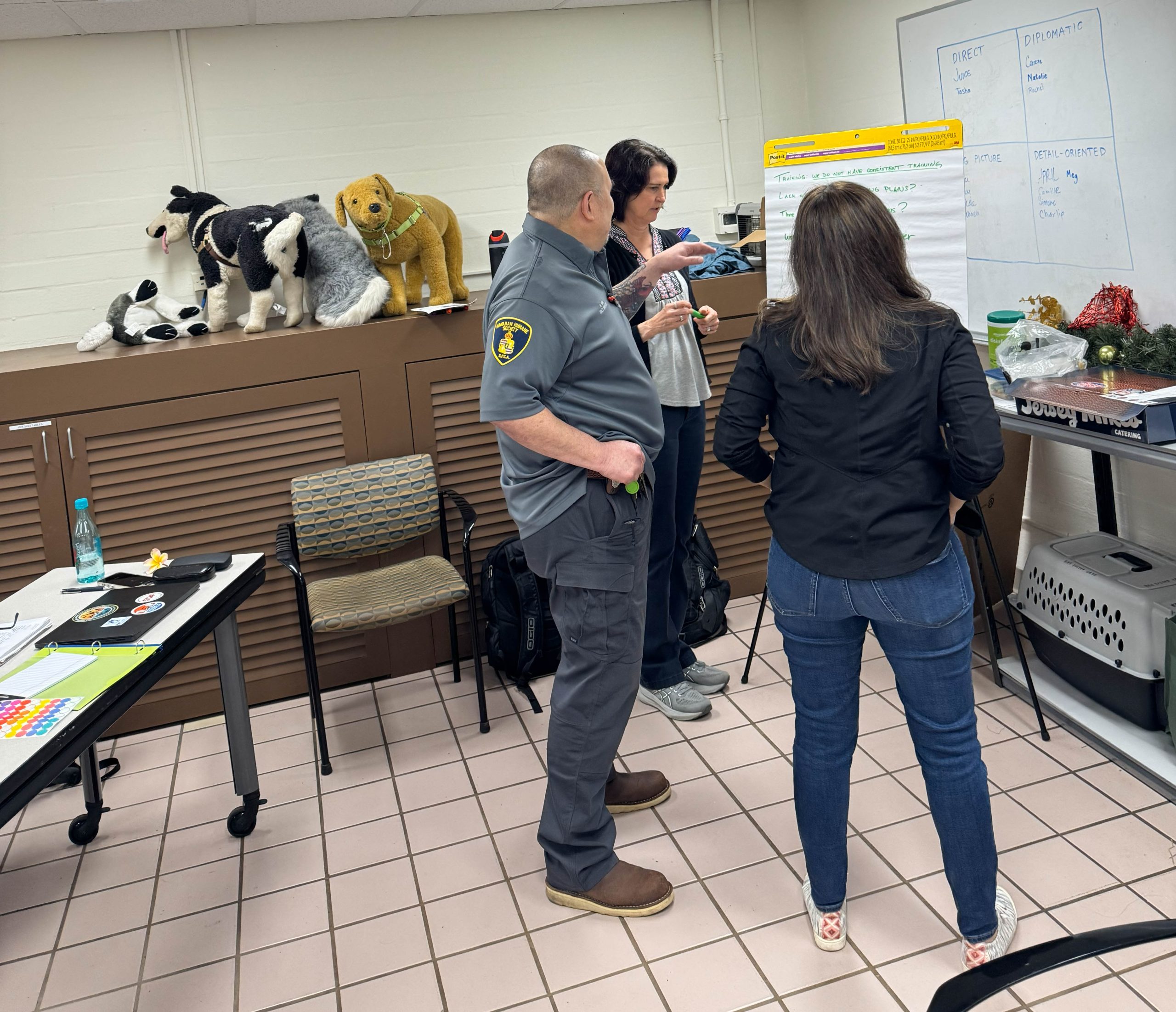
- Open conversations around challenges, capacity, and evolving community needs
- Review of data, documentation practices, and decision-making frameworks
This immersive approach allows NACA to see how policies translate into practice, and how practice can inform better policy.
By walking alongside officers in the field, sitting in dispatch rooms, reviewing case flows, and listening to staff at every level, NACA was able to gain a meaningful understanding of both the strengths of the Hawaiian Humane system and the opportunities for refinement, growth, and future innovation.
What Field Forward Is Really About
At its core, Field Forward is about building systems that work for real people, real animals, and real communities.
It helps agencies:
- Improve efficiency and consistency of response
- Strengthen documentation and accountability
- Reduce bottlenecks and burnout
- Align operations with modern animal welfare best practices
- Create safer, more sustainable workflows for staff
- Improve community trust and service outcomes
Rather than focusing solely on enforcement or intake numbers, Field Forward looks at the full ecosystem — from dispatch to disposition — and asks the bigger questions:
Are we structured to succeed? Are we supporting our staff? Are our systems aligned with our values? Are we meeting today’s community needs while preparing for tomorrow’s realities?
A Partnership Built on Shared Values
Hawaiian Humane brought openness, insight, and a strong commitment to continuous improvement to every step of the process. Their willingness to invite external evaluation, to examine long-standing practices, and to lean into constructive change reflects a true leadership mindset.
This partnership also highlights a broader shift happening across the country — agencies are increasingly recognizing that modern animal welfare requires not just compassion, but strong systems, data-driven decision-making, and sustainable operational models.
Hawaiian Humane is actively investing in those foundations.
What Comes Next
The Field Forward visit marks the beginning — not the end — of an ongoing improvement journey. NACA will provide Hawaiian Humane with a tailored summary of observations, opportunities, and recommended next steps designed to support both immediate refinements and long-term strategic growth.
These recommendations will focus on strengthening operational flow, enhancing consistency across teams, improving data utilization, and supporting staff through clearer structures and training alignment — all with the goal of improving outcomes for animals and the people who care for them.
Why This Work Matters
Field services teams are being asked to do more than ever before — respond faster, handle more complex cases, navigate evolving community expectations, and maintain professionalism and compassion in increasingly challenging environments.
Programs like Field Forward exist to ensure agencies are not navigating that reality alone. They are about building resilience, clarity, and capacity — not just for today, but for the future of animal welfare.